September 7, 2026
When Play Says What Punishment Cannot
My son shoved his sister off the couch on a Wednesday evening and I sent him to his room before I had finished saying his name. He went. He slammed the door, then opened it, then slammed it again for good measure. I stood in the hallway with a timer running in my head, and when the ten minutes were up he came out, said sorry in the flat voice kids use when they are reciting, and did the exact same thing twenty minutes later.
I had been doing time-outs for years by then. They worked, in the sense that the shoving stopped for the length of the time-out. They did not seem to be teaching him anything, and I was getting tired of being the warden.
The Game We Almost Didn't Play
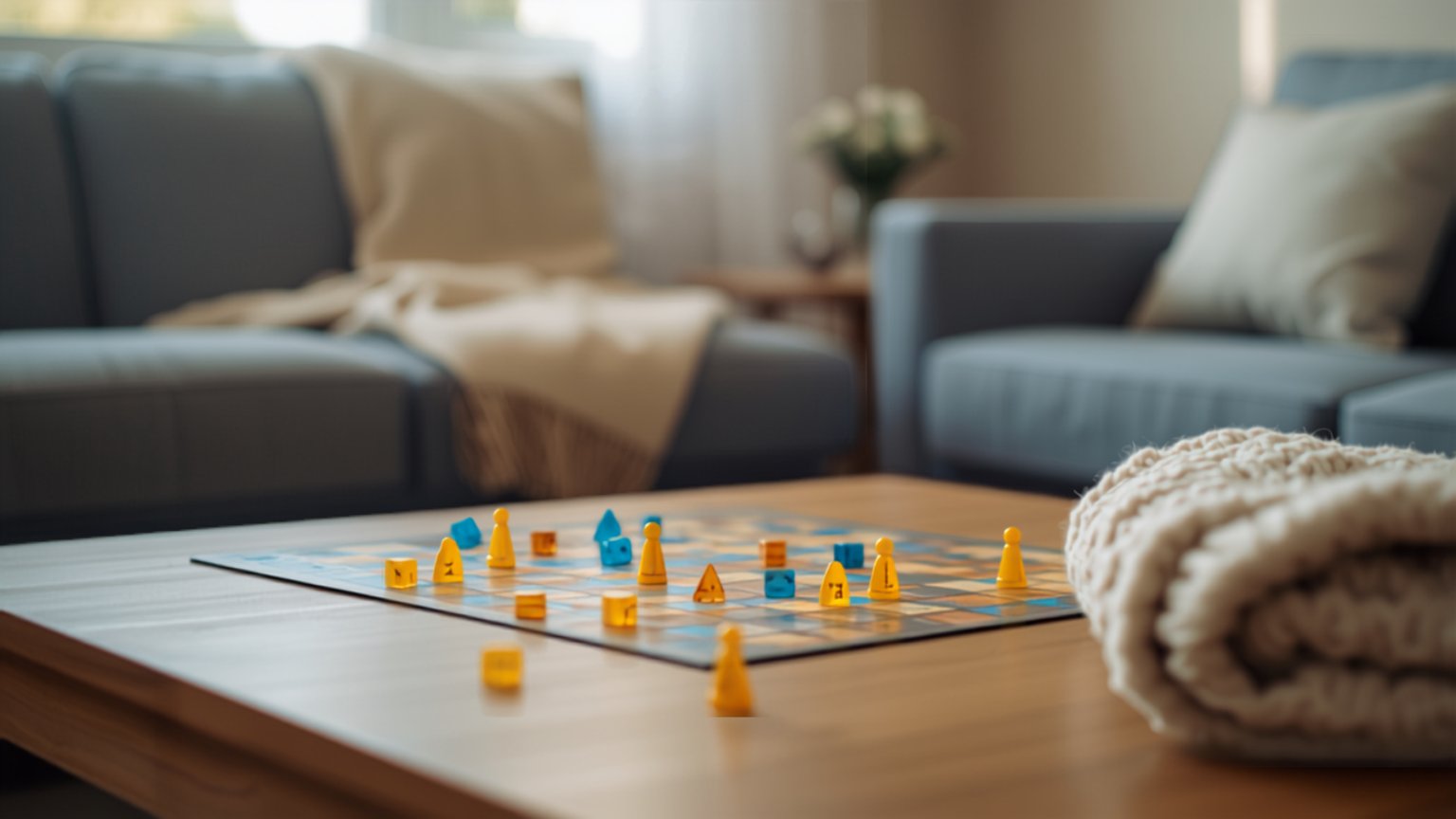
A few nights later, mostly out of exhaustion, I pulled a board game off the shelf instead of sending anyone anywhere. It was a cooperative one, the kind where all the players either win together or lose together. My son rolled his eyes. My daughter said she didn't want to play with him. I said we were playing anyway, and I meant it in the tired way, not the fun way.
About fifteen minutes in, his sister made a bad move that cost the whole team. I watched him open his mouth to tell her how stupid it was. Then he closed it. He looked at the board for a second, and then he said, "It's fine, we can still get it back if I go here."
I did not say anything. I did not want to break whatever was happening.
What He Had to Practice
This is the thing I finally understood that night. A time-out asks a child to stop. It does not give him anything to do instead. My son knew perfectly well that shoving was wrong. Knowing was never his problem. His problem was the half second between wanting to lash out and actually doing it, and nothing about sitting alone in his room gave him any practice with that half second.
The game did. It gave him thirty small chances in an hour to be annoyed at his sister and choose something else, because he wanted to win and he could not win without her. Nobody lectured him. The board did the teaching.
Where It Showed Up Later
I would love to tell you he never shoved her again. He did, the next week, over the remote. But that same evening I heard him say, from the other room, "Okay, okay, we can share it," in a voice I recognized from the game table. It was his teammate voice.
We still have consequences in our house. I am not against a child sitting somewhere quiet to cool down, and some days that is all I have in me. But I stopped believing that the sitting was where the learning happened. The learning happened in the messy middle of a game he didn't want to play, with a sister he was mad at, when losing together turned out to matter more than being right.
The box lives on the coffee table now. Some nights nobody touches it. Some nights, after a fight, one of them gets it out without being asked, and I pretend not to notice.